Crispy Cloud Combini – 2/6 – Nagasaki Residency
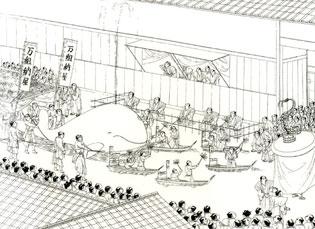
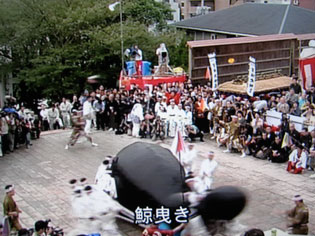
The blowing of the whale, part of the annual Nagasaki Kunchi Festival
Crispy Cloud Kombini
Installation for SieboldHouse, Leiden, February 23 – June 17, 2007
Artist in Residency November – December 2006, in collaboration with the Nagasaki Museum of History & Culture
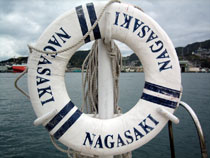
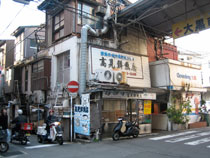
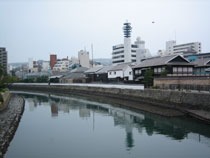
Nagasaki today. During the last century, the former tradingpost was completely swallowed by landreclamations. Nothing was left of it. Recently Deshima was partly reconstructed and rebuilt at its original site, a 700 million Euro project.
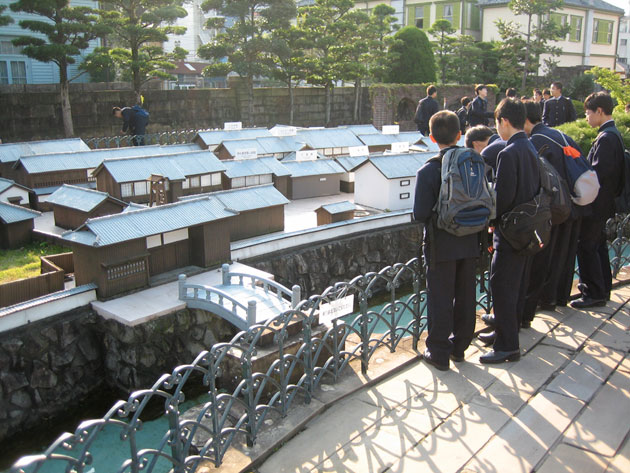
Deshima (here as a model) is now a museum, keeping the historical ties between Japan and the Netherlands alive.
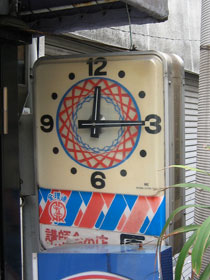
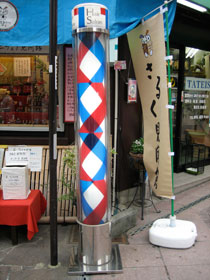
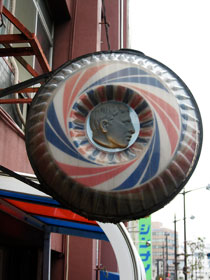
As if the Dutch never left: exuberant barbershop signs sporting the national colours of Holland. It’s un clear to me if this colour code that dates back to medieval Europe, was indeed introduced by the first Dutch, or later in the 19 th. century by the Americans.
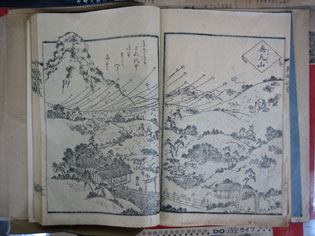
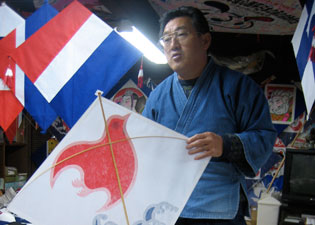
Same colours: flying fighter kites over the Deshima rooftops of by the Indonesian servants in service of the Dutch East India Corporation, has become a Nagasaki tradition. Mr. Ogawa, still makes them in his kiteshop.
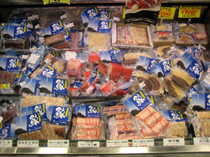
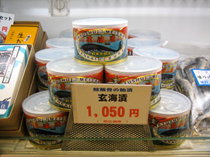
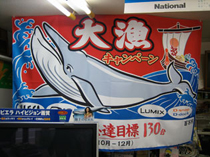
Ever wondered why the Japanese still need whales for ‘scientific research’? It’s just a lame excuse to keep fishermen busy providing for what’s is now regarded a delicacy. Hard to imagine there used to be a time that whalemeat was a stalefood, served a schoollunch…
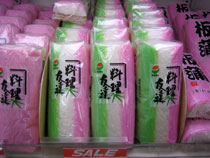
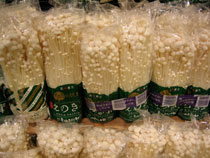
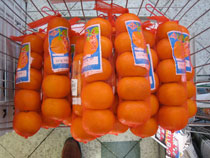
Beautiful products and packaging, just a round the corner in the local supermarket.
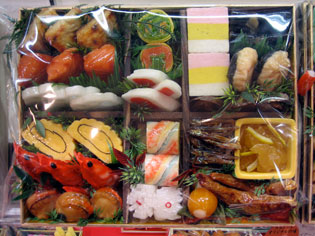
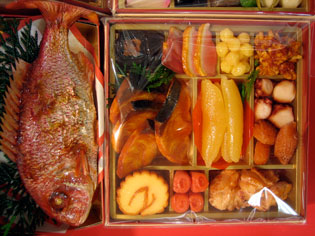
November/december is the time for seibo, gifts that are given to those with whom one has a relationship, especially the people who have helped the gift giver.
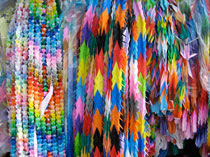
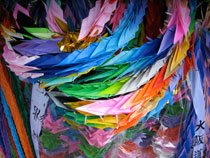
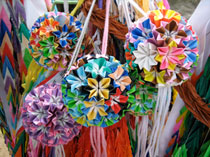
Colourful adornings of a monument in remberance of the blackest page in Nagasaki history: the devastation of the atom bomb dropped by the Americans in 1945.
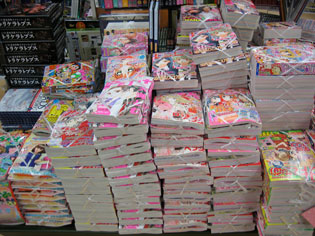
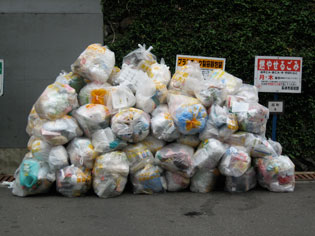
Stacks, stacks, stacks…
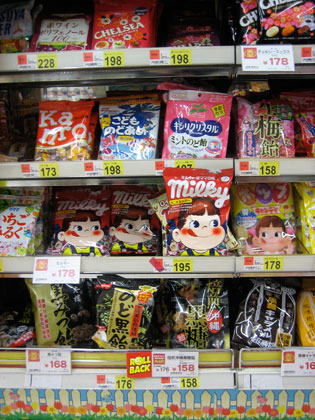
So, there I was walking in the footsteps of my Dutch ancestors. Like Franz von Siebold once did, I decided to create my own collection of daily life objects. Nothing expensive or exclusive, but cheap and widely available Japanes snacks and candy, that attracted me much because of the interesting designs, beautiful colours and intricate shapes.